


The Rise of Private Flying: A Brand new Era In Aviation
Introduction
Private flying has skilled a significant transformation over the past few many years, evolving from a niche passion for the wealthy to a viable mode of transportation for enterprise leaders, entrepreneurs, and even households. This article explores the factors contributing to the rise of private flying, the technological developments which have made it extra accessible, and the implications for the aviation industry and society at large.
Historic Context
Private aviation can trace its roots back to the early twentieth century, with the advent of the primary private aircraft. If you have any kind of concerns concerning where and the best ways to use Wanger summary, you could call us at the site. However, it was not until after World Battle II that private flying started to gain popularity. The submit-conflict economic boom, coupled with developments in aviation technology, made proudly owning a private aircraft more possible for affluent individuals. The introduction of mild aircraft and the establishment of fixed-base operators (FBOs) additional democratized access to private flying, permitting more folks to experience the advantages of aviation.
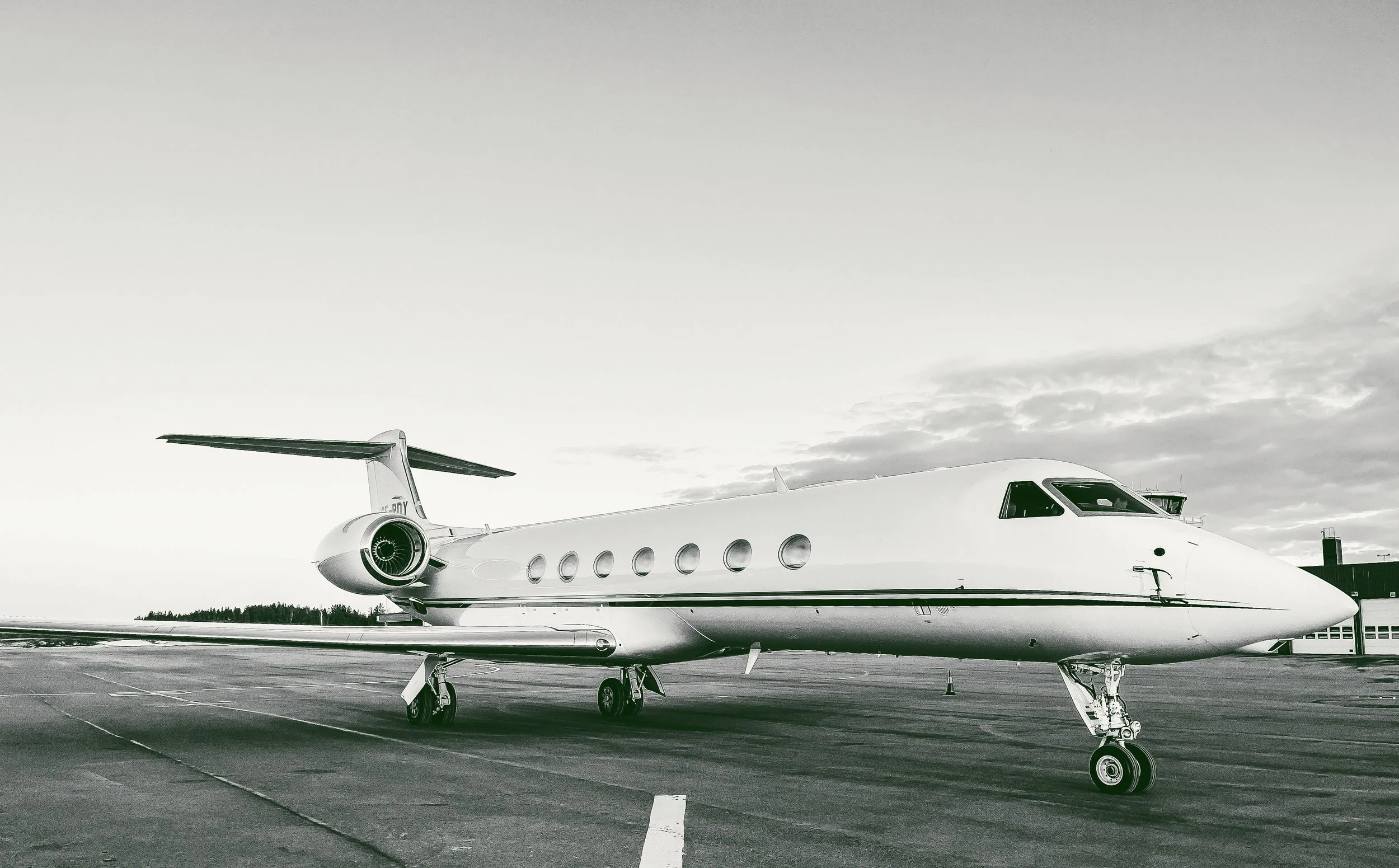
Elements Driving the growth of Private Flying
A number of factors have contributed to the surge in private flying in recent times:
- Time Efficiency: One in every of the first causes people and businesses flip to private flying is the significant time savings it affords. Private jets can bypass the lengthy security lines and boarding processes related to industrial flights, allowing travelers to achieve their locations more quickly. This is particularly advantageous for enterprise executives who must attend multiple conferences in numerous cities inside a single day.
- Elevated Accessibility: The rise of fractional possession and jet card applications has made private flying more accessible to a broader viewers. Fractional possession allows people to purchase a share of an aircraft, reducing the upfront prices and ongoing expenses related to full possession. Jet card packages offer pre-paid flight hours on quite a lot of aircraft, offering flexibility without the dedication of possession.
- Technological Advancements: Improvements in aviation know-how have led to the event of more environment friendly and price-effective aircraft. Trendy jets are outfitted with advanced avionics, improved gas effectivity, and enhanced safety features, making private flying a more attractive option. Moreover, the rise of electric and hybrid aircraft is poised to additional revolutionize the trade by decreasing environmental influence and operational prices.
- Altering Journey Preferences: The COVID-19 pandemic has accelerated a shift in travel preferences, with many individuals seeking safer and more private travel options. Private flying presents a managed setting, minimizing publicity to crowded airports and public transportation. In consequence, many first-time private flyers have emerged from the pandemic, leading to a surge in demand for private aviation providers.
The Economics of Private Flying
The economics of private flying have evolved significantly, with varied financial fashions catering to different person needs. Conventional possession remains an choice for many who fly continuously, however many individuals and companies are choosing extra versatile arrangements. Fractional ownership and charter companies have gained recognition, permitting users to pay just for the hours they fly.
Moreover, the emergence of on-demand charter providers has disrupted the traditional private aviation model. Corporations like Wheels Up, VistaJet, and NetJets have made it easier for individuals to ebook flights on brief notice, offering a extra agile and price-efficient answer for sporadic travelers. This shift towards on-demand services has broadened the market, appealing to a youthful demographic that values flexibility and convenience.
Environmental Considerations
As private flying continues to develop, so too do concerns about its environmental impression. The aviation trade is responsible for a big portion of worldwide greenhouse fuel emissions, and private flying is not any exception. However, the trade is actively exploring methods to mitigate its environmental footprint. Initiatives such as sustainable aviation gas (SAF) and carbon offset applications are gaining traction, with many private operators committing to decreasing their emissions.
Moreover, the event of electric and hybrid aircraft presents a chance for the trade to transition in the direction of extra sustainable practices. Whereas nonetheless in the early levels, these applied sciences hold promise for reducing emissions and operational costs sooner or later.
The way forward for Private Flying
Trying ahead, the future of private flying appears vivid, with continued growth expected in the coming years. A number of tendencies are prone to form the trade:
- Increased Personalization: As competitors intensifies, private aviation companies are focusing on offering personalized experiences for their purchasers. This consists of tailored in-flight providers, custom-made itineraries, and enhanced buyer help, all aimed toward making a more luxurious and enjoyable journey experience.
- Integration of Technology: The combination of expertise into private aviation is about to speed up, with developments in artificial intelligence, machine learning, and information analytics remodeling operations. From optimizing flight routes to enhancing customer service, know-how will play a crucial role in shaping the future of private flying.
- Regulatory Changes: As private flying becomes extra mainstream, regulatory frameworks are more likely to evolve. Governments could implement new insurance policies to address safety, safety, and environmental concerns, impacting how private aviation operates. Stakeholders in the business might want to adapt to those adjustments to ensure compliance and sustainability.
- Emergence of Urban Air Mobility: The idea of urban air mobility (UAM) is gaining traction, with the potential to revolutionize quick-distance journey in city environments. Electric vertical takeoff and touchdown (eVTOL) aircraft are being developed to facilitate quick and environment friendly transportation within cities, further integrating private flying into on a regular basis life.
Conclusion
Private flying has come a great distance from its origins as a luxury pastime for the elite. At the moment, it represents a dynamic and evolving sector of the aviation business, pushed by technological developments, altering shopper preferences, and a rising emphasis on effectivity and comfort. Because the trade continues to adapt to new challenges and opportunities, private flying is poised to turn into an increasingly integral part of modern transportation, offering a glimpse into the way forward for travel. With a deal with sustainability and innovation, the following chapter of private aviation guarantees to be as exciting as its past.
